Monroe Piercing Guide: Pain, Healing Time, Jewelry, and Risks
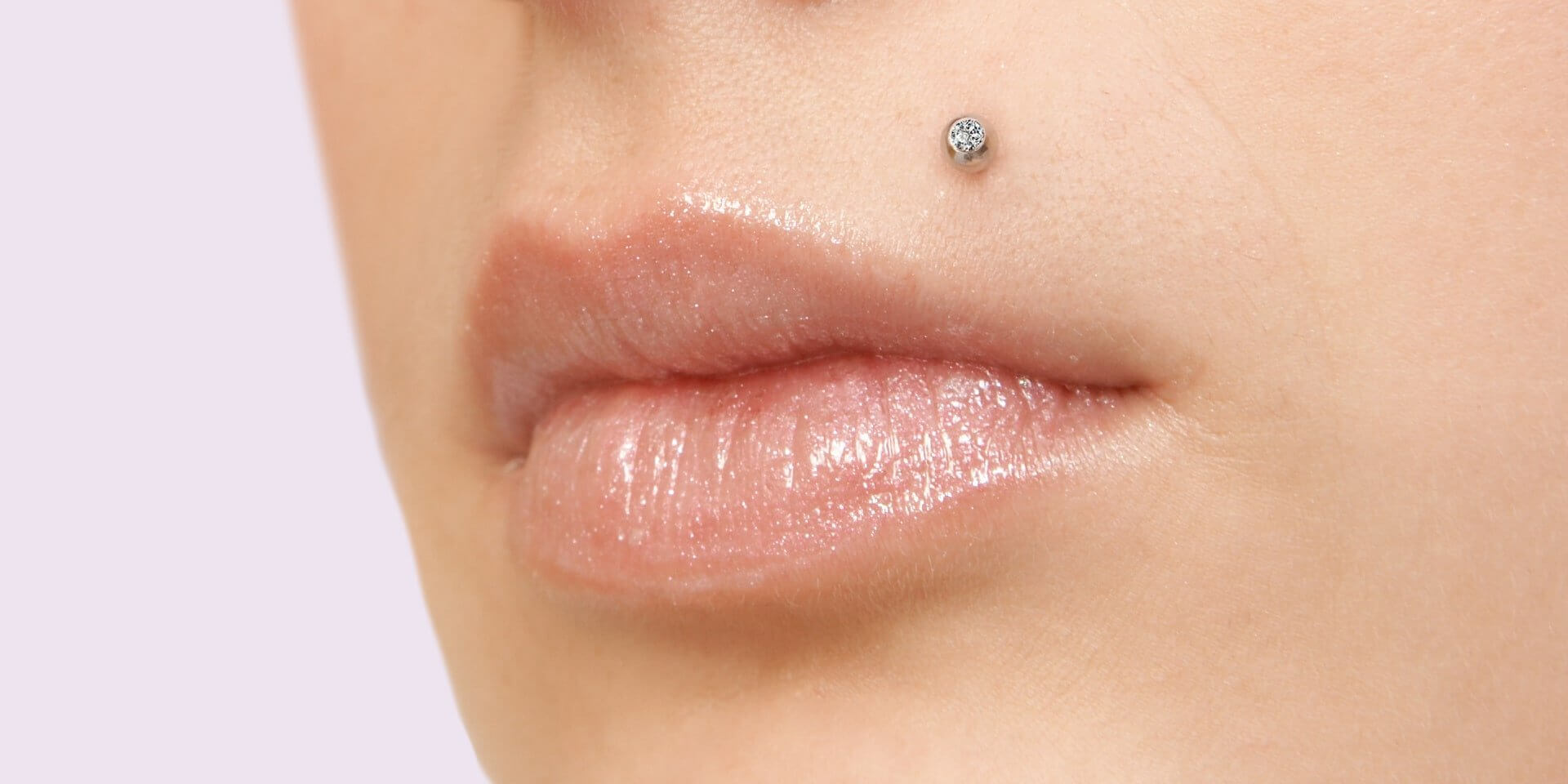
You’ve probably seen it before. A single piercing placed just above the upper lip that adds a clean, subtle edge to someone’s look. It’s simple, but it stands out. If you’re thinking about getting a monroe piercing, it’s important to know what the process actually involves before you commit. A monroe piercing may look minimal but like any facial piercing, placement, jewelry, and proper care all matter. Understanding the pain level, healing time, and risks will help you decide if it’s the right fit for you.
What Is a Monroe Piercing?
A monroe piercing is a facial piercing placed on the upper lip, typically on the left side, designed to resemble Marilyn Monroe’s iconic beauty mark. The placement is what gives this piercing its name. It uses a single piece of jewelry, usually a labret stud, which sits flat against the inside of the lip while the decorative end is visible on the outside.
Many people choose this piercing because it offers a clean and balanced look without being too bold. It works well on its own or paired with other piercings. Because of its placement, precision is important. A professional piercer will carefully mark the spot to make sure the piercing aligns naturally with your facial features.
Monroe Piercing Pain Level
One of the most common questions about a monroe piercing is how much it hurts. Most people describe the pain as moderate, with a quick pinch followed by slight pressure since the needle passes through the upper lip. The actual piercing only takes a few seconds, so the discomfort is brief. Many clients say the anticipation feels worse than the procedure itself, and these symptoms are part of the normal healing process and usually improve within a few days.
After the procedure, it is normal to experience:
Mild swelling
Slight tenderness
Sensitivity while eating or talking
Healing Time and Aftercare
Healing time for a monroe piercing usually ranges from 6 to 8 weeks, although full healing can take longer depending on how consistent you are with aftercare. The first few days tend to be the most noticeable, with some swelling and mild discomfort, which is a normal part of the healing process. Following these steps consistently helps the piercing heal smoothly and reduces the risk of complications.
Taking care of your piercing properly is key to avoiding irritation or infection. Most professional piercers recommend a simple routine that keeps the area clean and protected.
Recommended aftercare includes:
Cleaning the outside
Use a sterile saline solution to gently clean the piercing twice a day to remove buildup and bacteria.
Cleaning the inside
Rinse with an alcohol-free mouthwash after eating or drinking to keep the inside of the lip clean.
Avoid touching the piercing
Only handle the jewelry when cleaning, and always make sure your hands are clean.
Be mindful of food and drinks
Avoid spicy, acidic, or very hot foods during the early stages of healing, as they can cause irritation.
Avoid smoking and alcohol temporarily
Both can slow down the healing process and increase the risk of irritation.
Jewelry Options for Monroe Piercings
Choosing the right jewelry for a monroe piercing affects both comfort and healing, especially during the first few weeks. Most professional piercers start with a labret stud because it sits securely and reduces irritation while the piercing is still fresh. A labret stud is designed with:
A flat back that rests inside the lipA decorative front that sits outside
During the healing stage, a slightly longer post is usually used to allow room for swelling. Once the swelling goes down, the jewelry is downsized so it fits more comfortably and reduces contact with the gums and teeth.
High-quality materials make a big difference, so most professional piercers recommend implant-grade titanium or surgical steel to help minimize irritation and support proper healing. After the piercing heals, you can switch to different styles depending on your preference, such as:
Studs with gemstones
Minimal metal balls
Decorative ends with unique designs
Possible Risks and How to Avoid Them
Even though a monroe piercing is a common facial piercing, placement and aftercare still matter a lot because it sits close to your mouth, teeth, and gums. Small mistakes during healing or using the wrong jewelry can lead to irritation that takes longer to fix than the piercing itself.
Common risks include:
Irritation or infection
This usually happens when the piercing is not cleaned consistently or is handled with unwashed hands.
Swelling issues
Jewelry that is too short or too long can create pressure and make the piercing feel uncomfortable during healing.
Gum or tooth contact
If the jewelry is not properly sized or positioned, it may rub against the gums or teeth over time.
To reduce these risks:
Always go to a professional piercer
Follow aftercare instructions carefully
Use high-quality jewelry
Return for downsizing once swelling decreases
Why Professional Piercing Matters
A monroe piercing may look simple, but placement and technique matter more than most people expect, especially since it sits in a visible area close to your mouth. Even small mistakes can affect how the jewelry sits, how it heals, and how it feels over time.
At Iron Palm, piercings are handled by experienced professionals who focus on precision, cleanliness, and client safety throughout the entire process.
The shop follows professional standards by using:
Sterile, single-use needles
High-quality jewelry
Clean and organized workstations
A Subtle but Stylish Piercing Choice
A monroe piercing remains a popular choice because it offers a clean and stylish look without being overly bold. Its placement gives it a unique appearance that stands out while still feeling subtle.
When done by an experienced piercer and cared for properly, this piercing can heal smoothly and become a long-lasting part of your style. Understanding the pain level, healing process, jewelry options, and risks helps you make a confident decision before getting a monroe piercing.


Comments
Post a Comment